Small Skills Studio ・ Recharge
A gentle seven-day start with short practices.
Try short, optional meditation practices and use a private seven-day record to continue, change or stop
- 12lectures
- 32minof lessons
- 2try-it tools
- 334lines of course audio

What changes with this skill
- Try short practices that return attention to the present without forcing thoughts away
- Choose a comfortable posture and safe place, and stop when a practice does not suit you
- Choose your own focus, such as breathing, your feet or nearby sounds
- Fit short practices into the morning or between work tasks without strain
- Use a seven-day record to decide whether to continue, change or stop
What the course covers
From safe preparation to a seven-day review
First, you learn to notice and return to the present without trying to erase thoughts, choose a comfortable posture and a safe place, and know when to stop and seek support. Next, you try short practices: noticing natural breathing, choosing your feet, sounds or a visible object as a focus, and returning when attention wanders. Then you explore a short morning practice, a safe pause between work tasks and keeping bedtime practice optional. In the final section, you plan practice and rest days, record impressions without scoring them and choose to continue, change or stop.
Try it first
One minute with your breath
Breathe in as the circle grows, pause briefly, then breathe out as it shrinks. Stop at any time if you feel uncomfortable.
This is not medical advice or treatment. Please do not push yourself if you feel unwell.
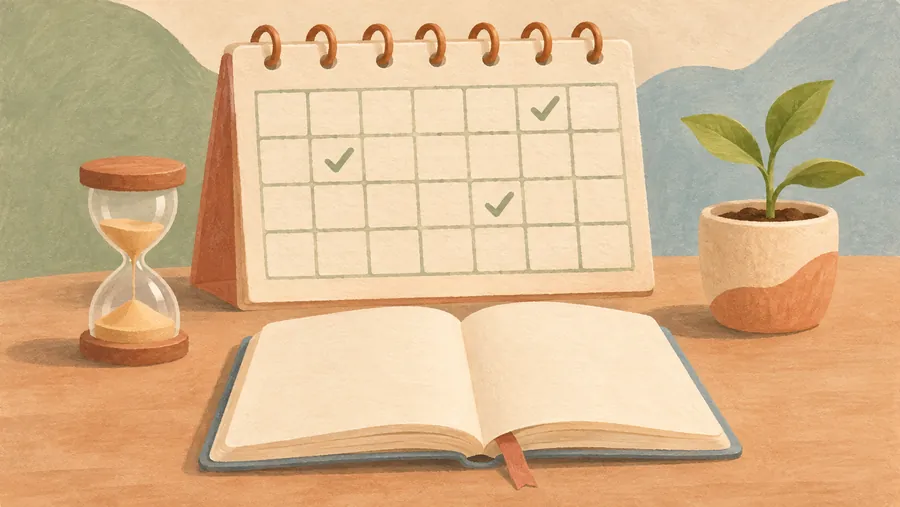
Seven-day log
Mark the days you practiced and leave a short note. Your log stays in this browser only.
Missing a day is fine. If it does not suit you, please do not force yourself to continue.
All 12 lectures, chapter by chapter
Open a lecture to read its key points. Press “▶ A line from this lecture” to hear one sentence of the course audio.

Chapter 1
Prepare to practice safely
1.1Notice, return and finish gently
- Today's GoalNo need to erase thoughts / Noticing and gently returning
- Confirmation Before StartingIn a place where you can sit safely / Do not do this while driving or doing dangerous work
- Choose a Comfortable PostureSit on a chair with feet on the floor / Breathe naturally as it is
- Short PracticeThe sensation of feet touching the floor / One thing you notice right now
- Ending Practice HereLook around the surroundings / Return to a comfortable posture
- A Small RecordDo not grade whether you succeeded / Leave only one sentence of reflection
- Today's TakeawayNoticing -> Returning -> Ending / Verifying what suits you
1.2Choose a comfortable posture and safe place
- Choose a comfortable posture and safe placeChoose a comfortable posture and safe place / Listening only, changing or stopping are valid choices
- Choosing a LocationSafe to sit / Do not practice while performing tasks requiring attention
- Choosing a PostureYou may use a backrest / Do not endure pain
- Eye StateIt is fine to keep them open / Be aware of objects around you
- Do Not Change Your BreathingNatural breathing / You may focus on another object
- Short CheckPosture and surroundings / You may choose not to try now
- ReflectionWas it comfortable? / It may not be the same next time
1.3Know when to stop and seek support
- Know when to stop and seek supportKnow when to stop and seek support / Listening only, changing or stopping are valid choices
- Experiences differCalm is not guaranteed / Your condition comes first
- End without forcing a restartStop the attention exercise / Look around and rest
- Seek appropriate supportPersistent difficulties need support / Do not replace treatment
- Keep personal experiences privateNo health information submission / Minimal private notes only
- A fictional decisionAnxiety increases during practice / What choices are available?
- Example answerStop and rest / Seek support if difficulties persist

Chapter 2
Short practices
2.1Notice natural breathing
- Notice natural breathingNotice natural breathing / Listening only, changing or stopping are valid choices
- Breath is one possible focusFeet or an object are alternatives / You may choose not to practice
- Keep breathing naturalSit with comfortable support / Do not hold or deepen the breath
- A brief invitationNotice without changing / No clear sensation is required
- If attention movesNotice and choose / Do not force the next breath
- Finish hereReturn to your surroundings / No extra practice is required
- A short reflectionNotice what suited you / Same focus, different focus, or rest
2.2Choose feet, sounds or a visible object
- Choose feet, sounds or a visible objectChoose feet, sounds or a visible object / Listening only, changing or stopping are valid choices
- Targets Other Than BreathFoot contact / Surrounding sounds and objects
- Sensations of the FeetThe place where you feel supported / Do not try too hard to feel it strongly
- Sensations of SoundNoticing sounds you can hear / Do not judge likes or dislikes
- Try It BrieflyOne target only / You may change it or finish it
- Finish and CompareWhich one felt less burdensome? / Do not decide on a correct answer
- ReflectionThe power to choose a target / Do not fixate on the same method
2.3Return when attention wanders
- Return when attention wandersReturn when attention wanders / Listening only, changing or stopping are valid choices
- Noticing That You Have WanderedA thought arises / Do not decide it is a failure.
- Labeling the AwarenessI was thinking / Short words are sufficient.
- The Action of ReturningTo the contact of your feet / Return without applying force.
- Short PracticeNoticing, choosing, returning / It is okay to finish without returning.
- Confirmation of EndingAttention to surroundings / Do not count the number of times.
- ReflectionMore important than whether you returned / Confirm what you were able to choose.
Chapter 3
Fit it into daily life
3.1Try a short morning practice
- Try a short morning practiceTry a short morning practice / Listening only, changing or stopping are valid choices
- Conditions for Morning PracticeWhen you are not in a hurry / When it does not strain your daily life
- Choose One CueAfter sitting on a chair / Checking safety
- Choose Your FocusContact of the feet / An object in front of you
- Short PracticeTo sensations present now / At your own pace
- End and Return to LifeCheck surroundings / Move to next action
- ReflectionWas it suitable for the morning? / It is okay to change the time
3.2Pause safely between work tasks
- Pause safely between work tasksPause safely between work tasks / Listening only, changing or stopping are valid choices
- Pause the Task TemporarilySafe Break / Do Not Focus on Work During Practice
- Posture and FocusSupport Yourself Comfortably / Keep Your Eyes Open
- Short PracticeAwareness of Current Contact / Do Not Try to Eliminate Thoughts
- Choose Your Next ActionReturn Awareness to Surroundings / Return to One Task
- Exercise: Choosing the SceneSuitable Breaks / Situations to Avoid
- ReflectionSuitable for Short Breaks? / If Not, Try Another Method
3.3Keep bedtime practice optional
- Keep bedtime practice optionalKeep bedtime practice optional / Listening only, changing or stopping are valid choices
- Do Not Make It an Obligation to SleepThere is no guarantee of sleep / Do not sacrifice time
- Prepare to End QuicklyA comfortable state / Decide on an ending
- Choose Your FocusThe sensation of your body being supported / Other focuses are also acceptable
- Short PracticeOnly within your awareness / End without forcing it
- Do Not Score Your Inability to SleepDo not seek results too much / Consult professionals for persistent discomfort
- ReflectionIt is fine to rest tonight / You can reflect the next day

Chapter 4
Reflect on seven days
4.1Plan practice and rest days
- Plan practice and rest daysPlan practice and rest days / Listening only, changing or stopping are valid choices
- The Meaning of Seven DaysThis is not a test of continuous practice / Reflect on how you make your choices
- Setting Short PlansOne opportunity / Keep the duration manageable without strain
- Scheduling Rest DaysDays when you do nothing / Change according to your condition
- A Fictional PlanPractice, just listen, or rest / Seven columns
- Planning ExerciseInclude the choice not to do anything / Submission is not required
- Confirmation and SavingA plan that allows for stopping / Do not score effectiveness
4.2Record impressions without scoring them
- Record impressions without scoring themRecord impressions without scoring them / Listening only, changing or stopping are valid choices
- Purpose of RecordingTo find out what suits you / Do not collect only good experiences
- Observation vs. Absolute StatementsNoticed a little / Do not decide the effect definitively
- Short ItemsMethod chosen / A brief impression / Next choice
- The Choice Not to WriteOmit if burdensome / Do not show to others
- Rephrasing ExerciseFailed due to lack of focus / Change to what happened
- Answer and ConfirmationNoticed that thoughts wandered / Next time keep it short or rest
4.3Choose to continue, change or stop
- Choose to continue, change or stopChoose to continue, change or stop / Listening only, changing or stopping are valid choices
- The Three ChoicesContinue / Change / Stop
- If You Choose to ContinueIt is fine to keep it short / Do not make it a daily obligation
- If You Choose to ChangeTarget, duration, opportunity / Choose one at a time
- If You Choose to StopIt is not a failure / Consult appropriately for symptoms
- Final ReviewOne choice for next steps / Submission and practice are optional
- Course SummaryGently return when you notice / End without forcing it
From the course audio
Lines from the course audio, one sentence at a time. Press to listen (in random order).
Udemy course
Begin a Gentle Meditation Routine
Try short, optional meditation practices and use a private seven-day record to continue, change or stop
Who this course is for
- Adults curious about brief, optional introductory meditation practice
- Anyone who found it tiring to try to clear their mind
- People who want to check what suits them with short practices and a record
- Anyone who wants a short reset in the morning or between tasks
Requirements
- A safe place to sit if practicing; listening only is welcome
- No special equipment is needed. This is not medical treatment
Free preview lectures
- Notice, return and finish gently
- Choose a comfortable posture and safe place
- Know when to stop and seek support
Videos load from YouTube (youtube-nocookie.com) only when you press ▶.
Frequently asked questions
What is this course about?
This beginner course is for adults who are curious about brief, optional meditation practice. You will try short practices, keep a private seven-day record and decide whether to continue, change or stop, including when to stop.
How long is the course?
Twelve lectures, about 32 minutes in total. Each lecture moves through explanation, examples, a short exercise and a review.
Who is it for?
Adults curious about brief, optional introductory meditation practice / Anyone who found it tiring to try to clear their mind / People who want to check what suits them with short practices and a record / Anyone who wants a short reset in the morning or between tasks
What do I need before starting?
A safe place to sit if practicing; listening only is welcome / No special equipment is needed. This is not medical treatment
About the audio, illustrations and examples
This course is not medical treatment and does not guarantee any effect. Stop practicing if discomfort increases. The narration uses AI-generated voices, and the illustrations were created with generative AI. All examples, numbers and people are fictional; you never need to enter or submit real personal or workplace information.